
As the sister of an organic farm, we are uncompromising about the provenance of our meat.
While much of the welfare standards and field-to-fork ethos can be seen at the farm in the Cotswolds, the origins of much of the meat and poultry we serve in our pubs actually lies much further north.
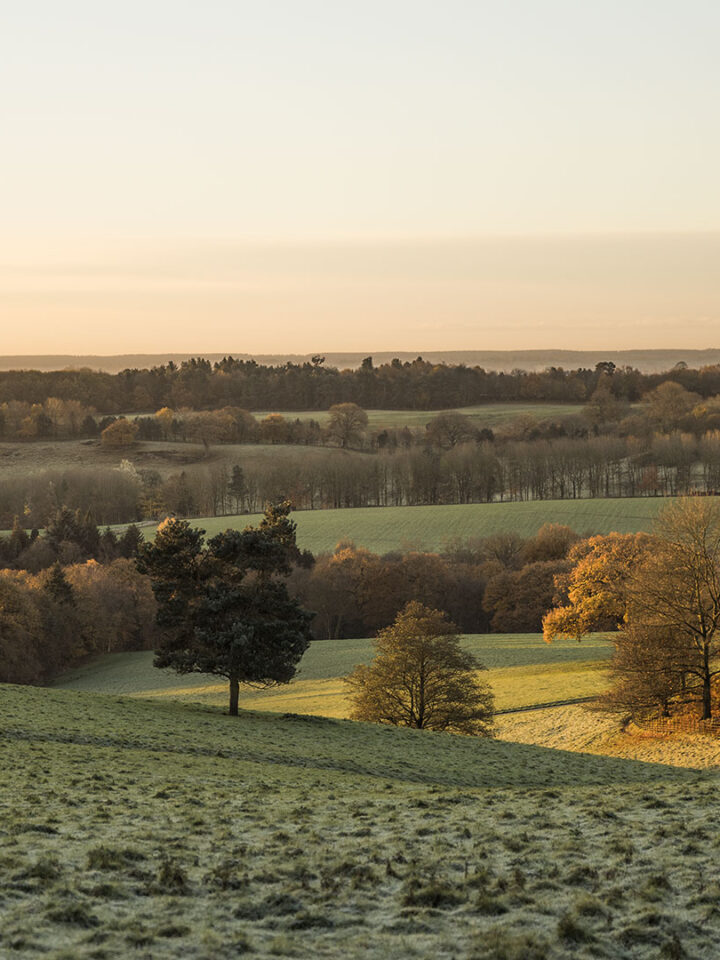
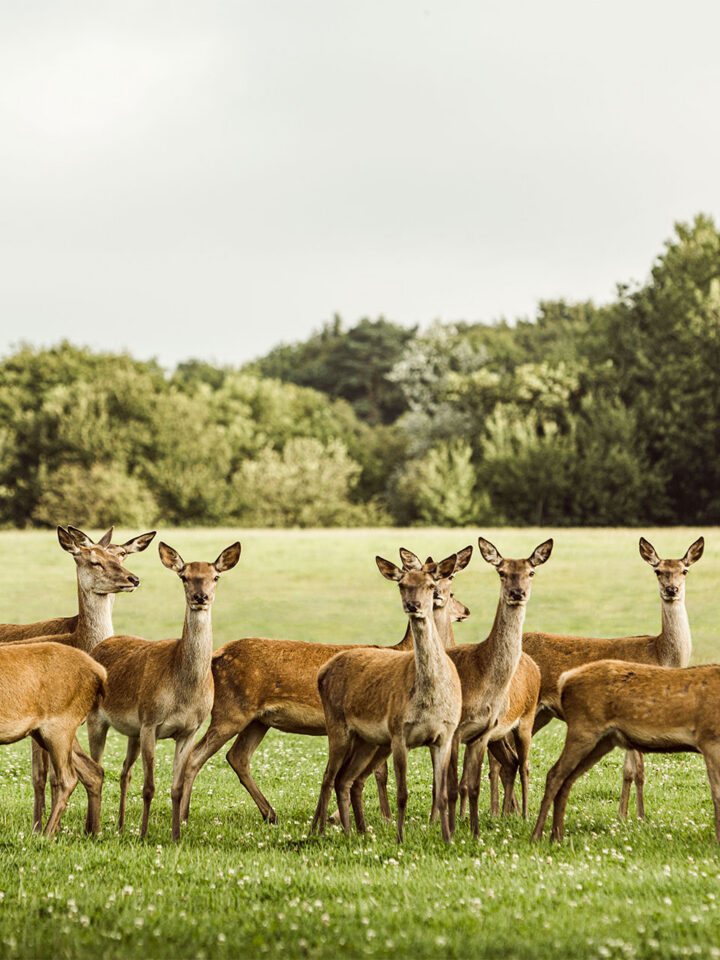
Deer have roamed Daylesford’s Wootton estate in Staffordshire since Norman times. Today, its historic deer park is home to around 1,000 red deer, forming the largest herd in the UK that has been certified organic by the Soil Association. Although farmed, the animals are managed with minimal human intervention, allowing them to retain much of their natural behaviour and live in close harmony with their environment.
The Wootton estate occupies 4,500 acres of permanent pasture, traditional hardwood woodland and herbal leys and the deer herd has the freedom to roam and forage the parkland, but unlike their wild cousins, which are often unable to survive when food is scarce, our farmed venison never go hungry during the winter.
They are allowed to mature slowly, with stags typically taking at least 16 months and hinds 20 months to reach the optimum condition for producing venison, and they feed, rut, breed and give birth as they would do in the wild. The herd’s wild instincts are particularly evident at certain times of year. During the summer, hinds give birth in the long grass, where their calves remain concealed during their earliest days. Farm vehicles are kept out of these fields at this time to avoid disturbing them. In autumn, the rut begins, with stags competing for hinds and establishing their territory. Our stockmen respect these behaviours as part of the herd’s natural life cycle.
This considered approach continues beyond the deer park. Daylesford wants to ensure that the end of the animals’ lives is peaceful and stress free. The deer are processed at Daylesford’s on-site abattoir, which means there is no need to travel, while the farm’s commitment to making use of the whole carcass helps minimise waste and recognises a respect of the animal’s life. Even the antlers are repurposed into handcrafted objects.
For anyone who has not tried venison before, it is a surprisingly versatile meat that is very high in protein and essential B vitamins with a rich, deep but not overwhelmingly gamey flavour. In comparison to other red meats, it is low in saturated fat and contains twice the iron.
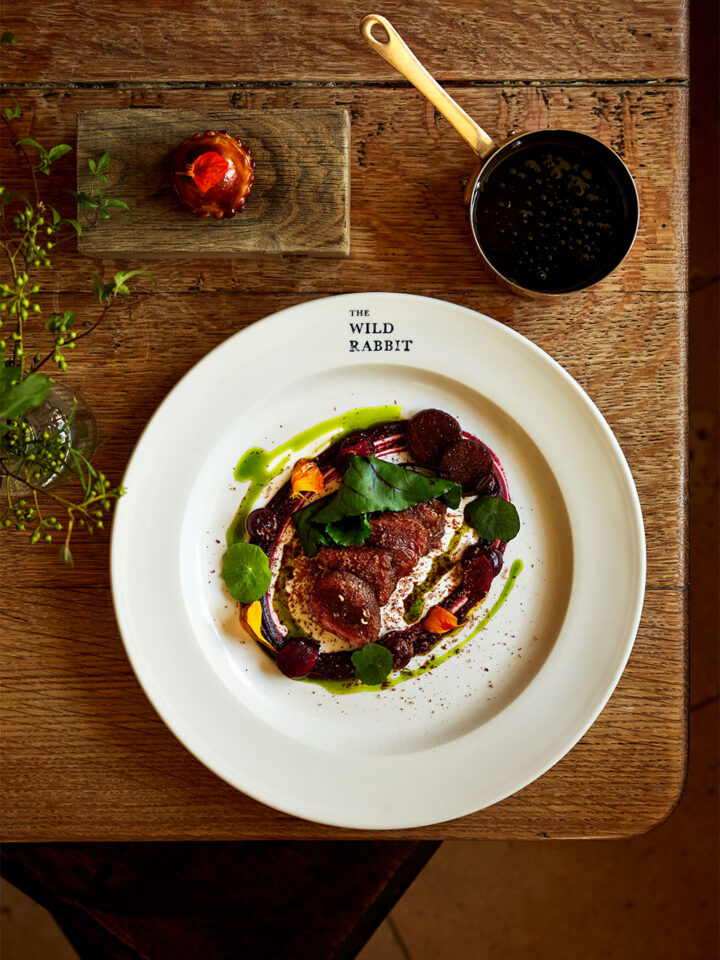
At The Wild Rabbit, Executive Head Chef Callum Graham takes a very considered approach to venison, making use of both prime and lesser-known cuts to celebrate the full potential of the meat and its flavour.
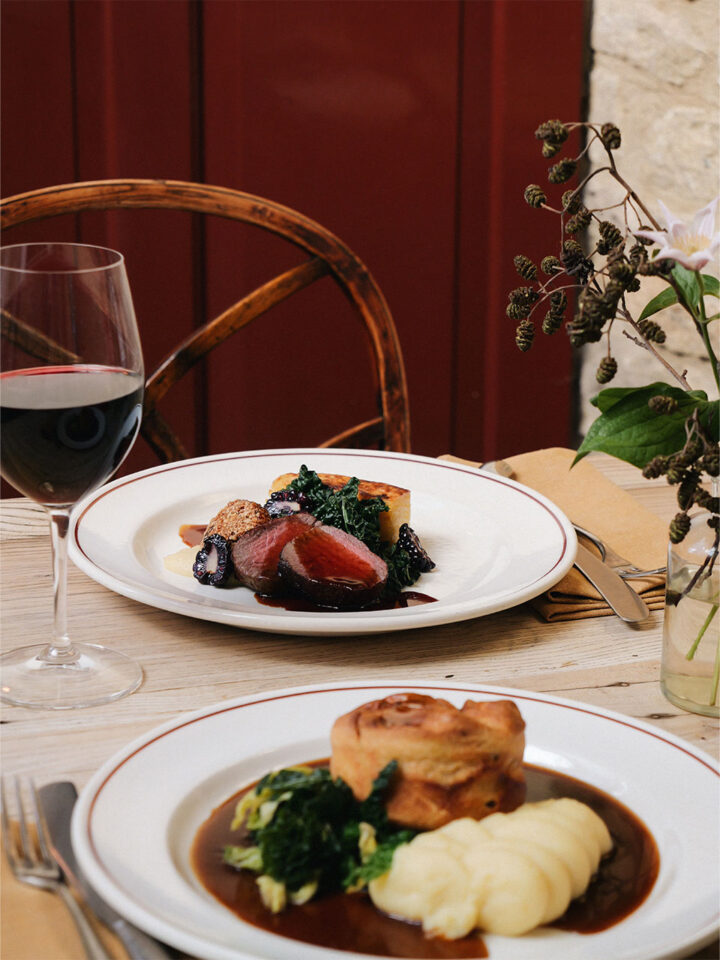
For a recent dish, the saddle was paired with beetroot from Daylesford’s market garden and foraged elderberries, bringing together ingredients at their seasonal best, while the shoulder and haunch were made into individual venison pies, and the bones and trimmings were used to make stocks and sauces.
Rather than selecting only the most prized cuts, this respect for the animal seeks to demonstrate how different parts of the carcass can be prepared and showcased, allowing each to contribute its own flavour and texture.
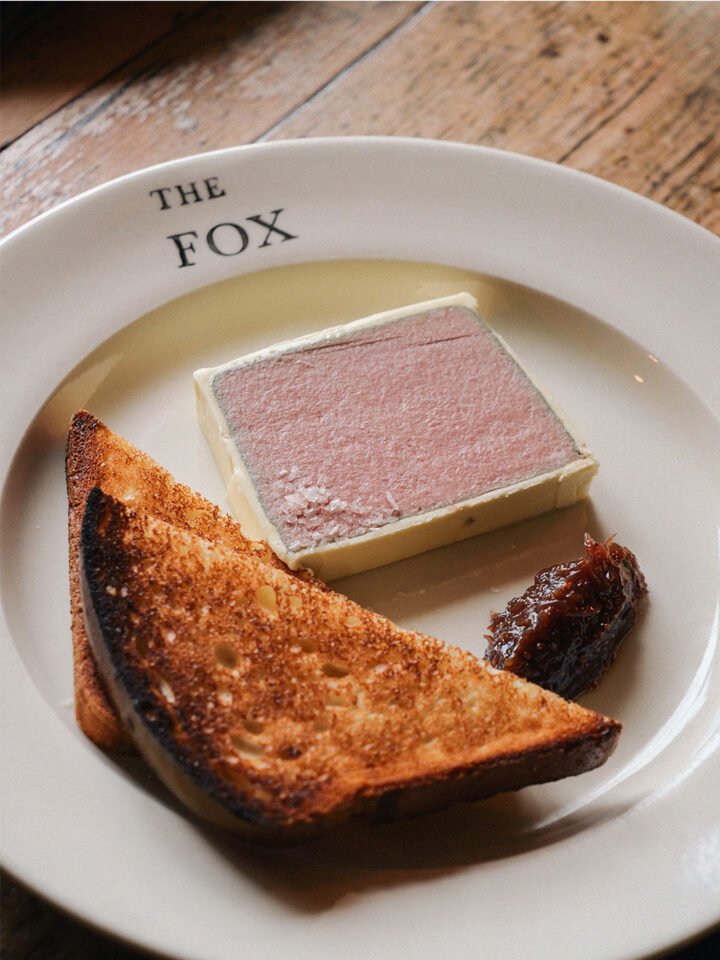
Having visited Wootton and seen the deer in their natural surroundings, Alan Gleeson at The Fox has a first-hand appreciation of the provenance of the venison he cooks. He makes the most of the haunch and shoulder in a traditional steamed suet pudding, the liver in a game pâté, as well as serving venison sausages and burgers. For the pudding, the venison is seared, then marinated for 24 hours in port and red wine with thyme, bay and juniper, before being slowly braised with smoked bacon, mushrooms and pearl onions. ‘The red deer from Wootton gives us a fantastic starting point,’ Alan explains. ‘The lean meat takes on all the rich Bourguignon flavours that we cook it with.’
For Roger Williams, Head Chef at The Three Horseshoes, venison is an essential part of autumn cooking, reflecting both the season and the surrounding countryside. His appreciation for the ingredient is deeply personal: ‘My cousin rears deer on our family farm in Wales, and I’ve loved going there and seeing them first-hand. Unlike cattle or sheep, there’s still something very wild about deer, even when they’re being reared on a farm, and that’s given me a real appreciation for the meat and how we cook it.’
Roger believes that simplicity is key to bringing out the quality of Wootton’s venison. ‘The most important thing is not to overcook it. Keep it pink, rest it well and let the quality of the meat do the talking.’
From a herd whose history stretches back centuries to the freedom of the landscape in which it is raised, Wootton’s venison is a distinctive expression of its provenance – one that the chefs at Daylesford Stays are proud to bring to their tables.
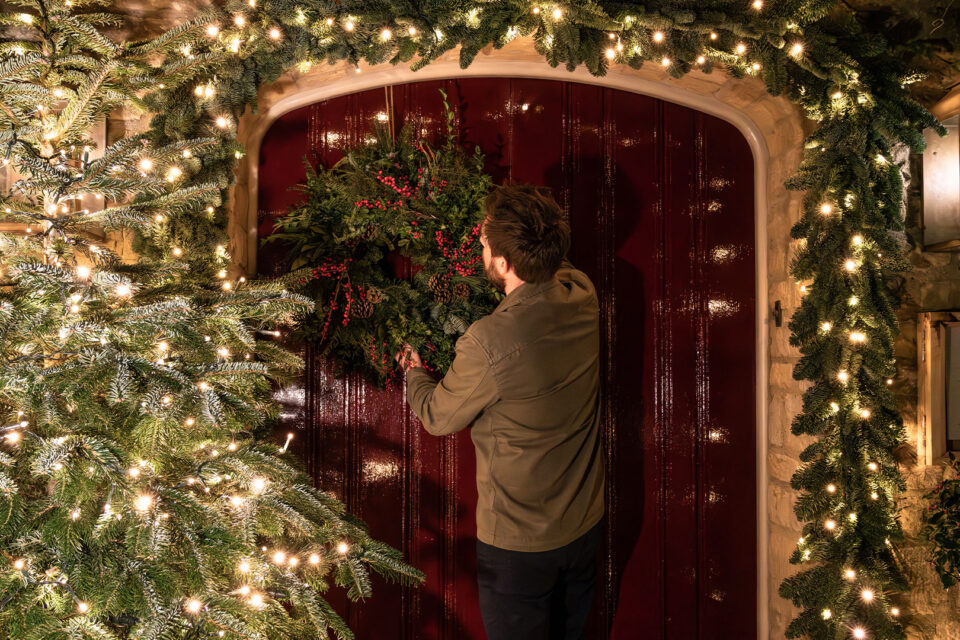
There is something particularly special about a country pub at Christmas.
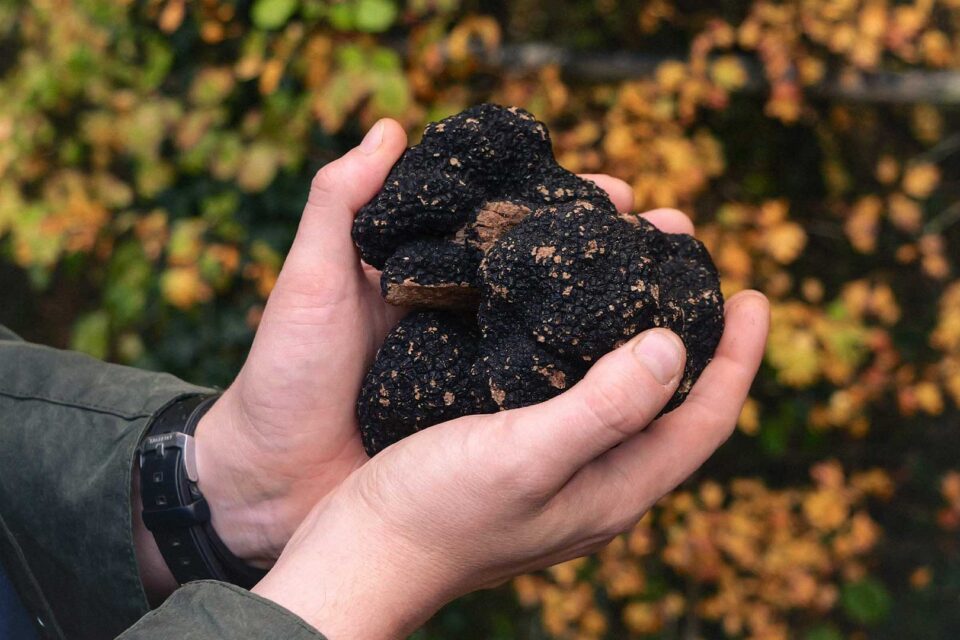
For centuries, truffles have been prized for their extraordinary aroma and rarity, but they have also inspired curiosity – an aura of mystery surrounds them.
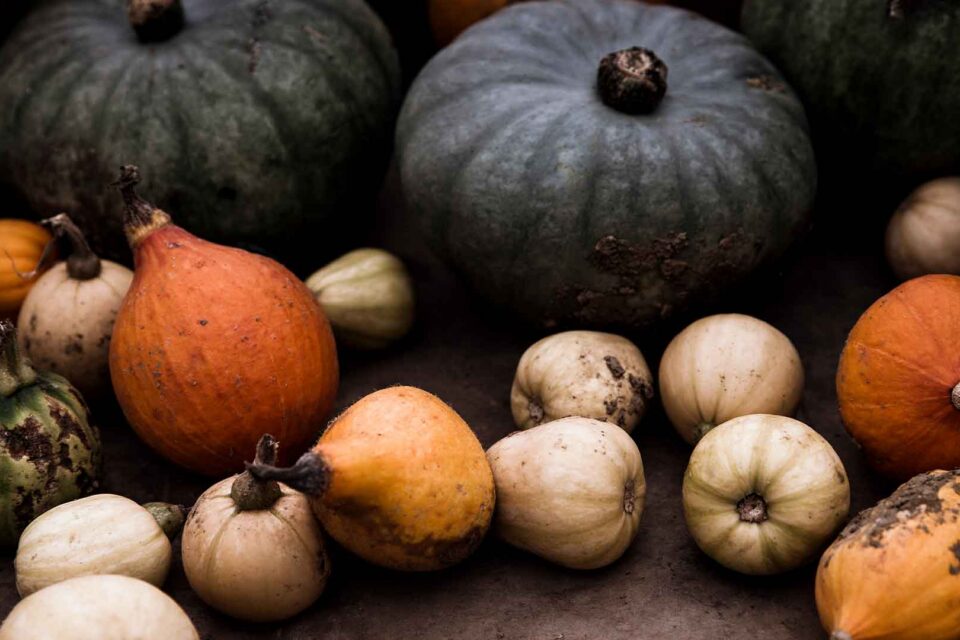
Autumn is a season of abundance. As summer crops give way to heartier harvests, the kitchen fills with ingredients that lend themselves to slower cooking and comforting meals. Among them, squash stands out as one of the season’s most versatile…...

