When sourcing exceptional produce and flavours for our menus, our team are commitment to championing the artistry and skill of Britain’s most dedicated growers.
Yorkshire’s forced rhubarb is a perfect expression of that philosophy, and in winter few ingredients are more distinctive – or eagerly anticipated – than its startlingly vibrant pink stems, which brighten the dullest of dreary days (and plates!).
Rhubarb presents itself in two different ways. There is the sturdy outdoor crop that thrives in spring and early summer, robust and bracing from months in the open air. And then there is winter’s forced rhubarb, with its delicate tender stems that are notably sweeter, available from February through to the end of March.


The origins of forced rhubarb begin in the eighteenth century – with a happy accident. At London’s Chelsea Physic Garden, a garden worker piled soil over a rhubarb plant while digging a trench. Weeks later, when the plant was uncovered, something surprising had happened. Deprived of light and unable to photosynthesise, the rhubarb had channelled its energy into producing tiny pink shoots.

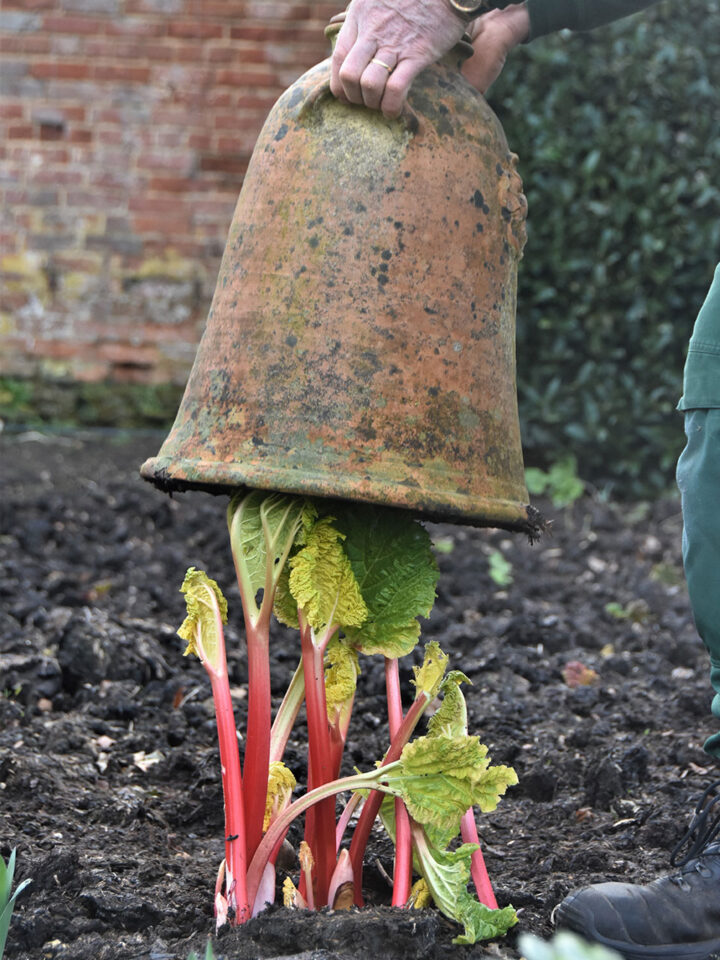
By the late 1800s, this discovery had travelled north, where the cold dark winters and rich soils of West Yorkshire proved ideal for its cultivation. But it was within a roughly 9-mile area – a triangle formed by Wakefield, Leeds and Bradford, now known as ‘The Rhubarb Triangle’ – that the craft truly evolved.
Today the Yorkshire method of forcing rhubarb remains largely unchanged. Rhubarb plants spend two years in the fields. After the first frost, when the cold has helped to convert their starches into sugars, the crowns are lifted and brought into forcing sheds – traditional low brick buildings kept in near darkness and gently heated. In these conditions the plants are tricked into thinking it’s spring and the beautiful pink stems begin to shoot and reach upwards in search of the sunlight. In the stillness of the sheds, growers speak of hearing a faint ‘squeak’ as the rhubarb grows. Harvesting is carried out very carefully, by candlelight, to prevent the stems from reacting to any artificial brightness.
This careful process is what gives Yorkshire forced rhubarb its distinctive character. It is a product so closely tied to its region that in 2010 Yorkshire Forced Rhubarb was awarded Protected Designation of Origin (PDO) status, and only rhubarb grown and forced within the Yorkshire Triangle, using traditional methods, can be called Yorkshire Forced Rhubarb.


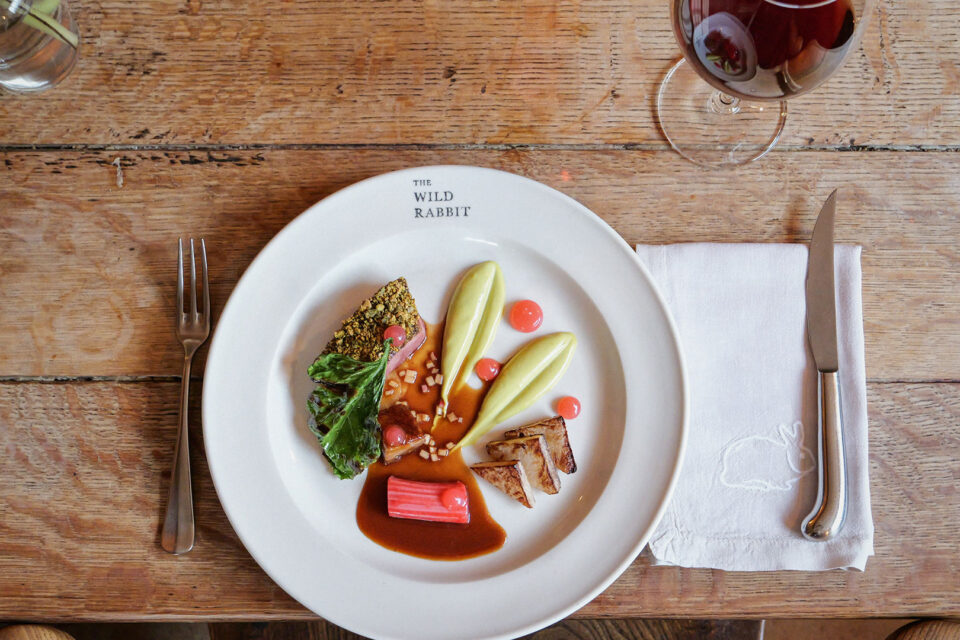
Our Yorkshire Forced Rhubarb comes from Tomlinson’s farm just outside Wakefield. Robert Tomlinson is a fourth-generation farmer whose family have been growing rhubarb for over 140 years, with a dedication and passion for their craft. And Robert’s elegant stems are showcased on our menus in as many ways as we can find: folded through compotes, paired with custard or blood orange, or simply poached and served alongside a tender rare duck breast. His produce speaks of place, patience, seasonality and craft – a reminder that some of the most remarkable ingredients flourish in the most unlikely conditions.
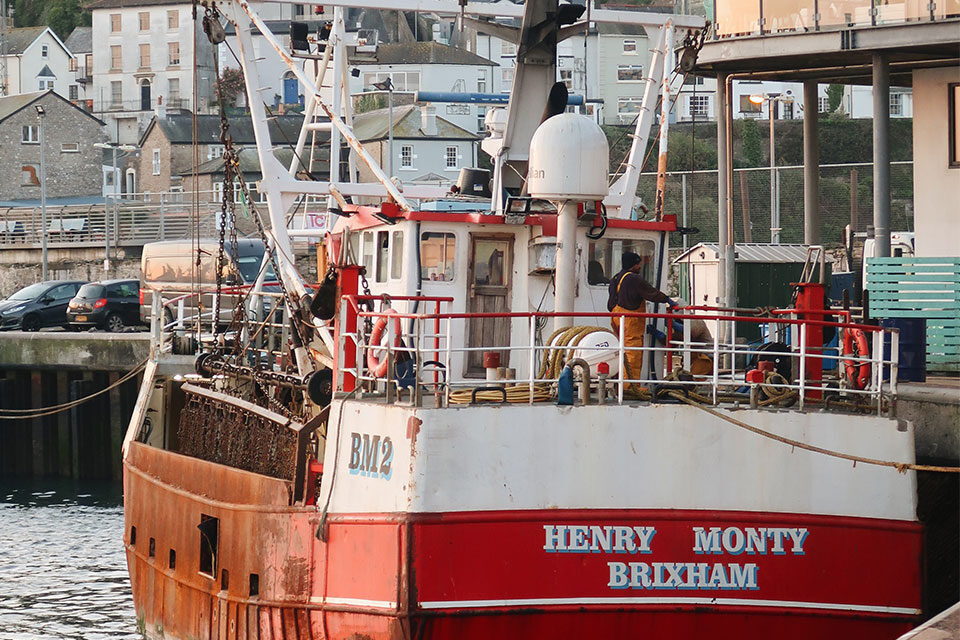
Provenance and the welfare of the produce we work with is as important to us as its flavour, and when seafood isn’t sourced responsibly, the impact is far-reaching: overfishing and harmful practices threaten delicate marine life, damage ocean habitats and…...
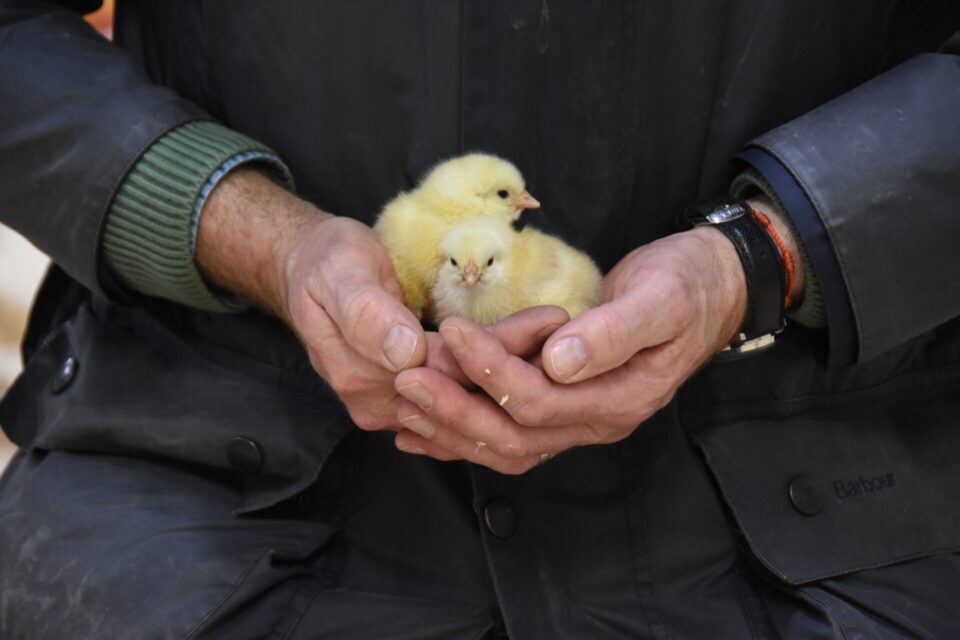
From the roots of traditional farming to why chicken has become a staple on so many tables, here we speak with our farm’s Marketing Director, Matt Gorman, to delve into the journey of organic chicken at Daylesford. Discover what makes…...
Daylesford was founded with a small herd of dairy cows and today the British Friesian and rare-breed Gloucester herds and the organic milk they each provide are still at the heart of the farm, and celebrated in our pubs....