The sight of the first asparagus spears poking their heads up from the ground marks the start of a fleeting season.
For just a brief window each year, this delicate crop emerges – vivid, green. Its subtle, distinctive flavour needs almost nothing added; simply prepared, it is springtime on a plate. In our pub kitchens, we look forward to this moment, celebrating the new season with dishes that honour its natural character.
The earliest asparagus reaches us from growers close to Daylesford farm, where the young plants are protected from late frosts and encouraged with gentle warmth. As the soil begins to wake after winter, our longstanding supplier, Wykham Park, harvests the first outdoor spears from their April beds, with field-grown crops following in May. Each harvest is a reminder of nature’s patience and precision. Watch our most recent visit with Executive Chef, Alan, here.
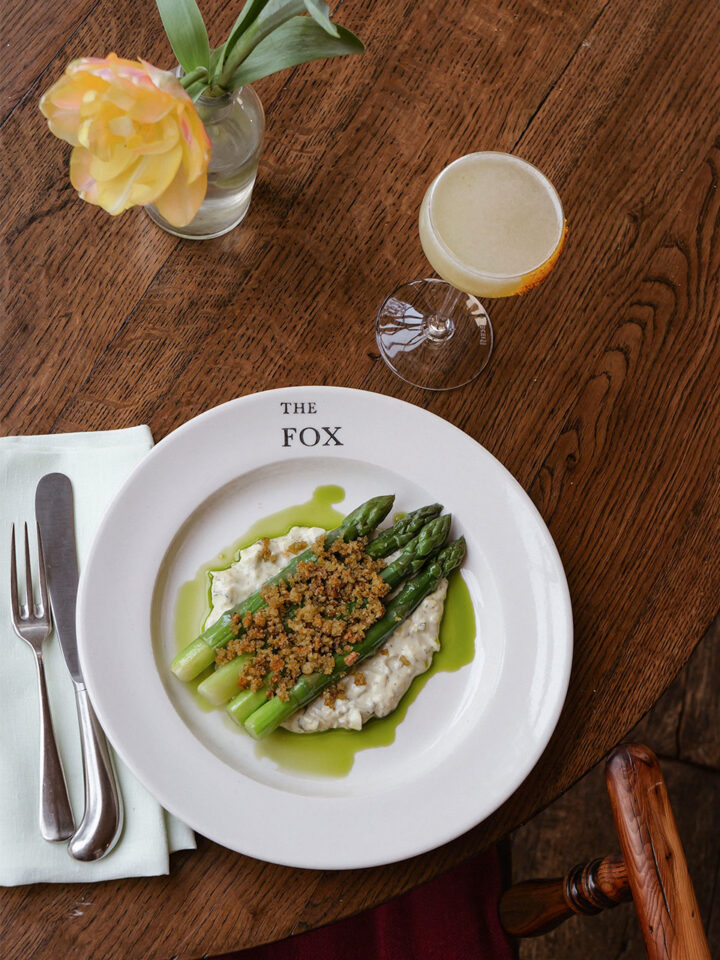
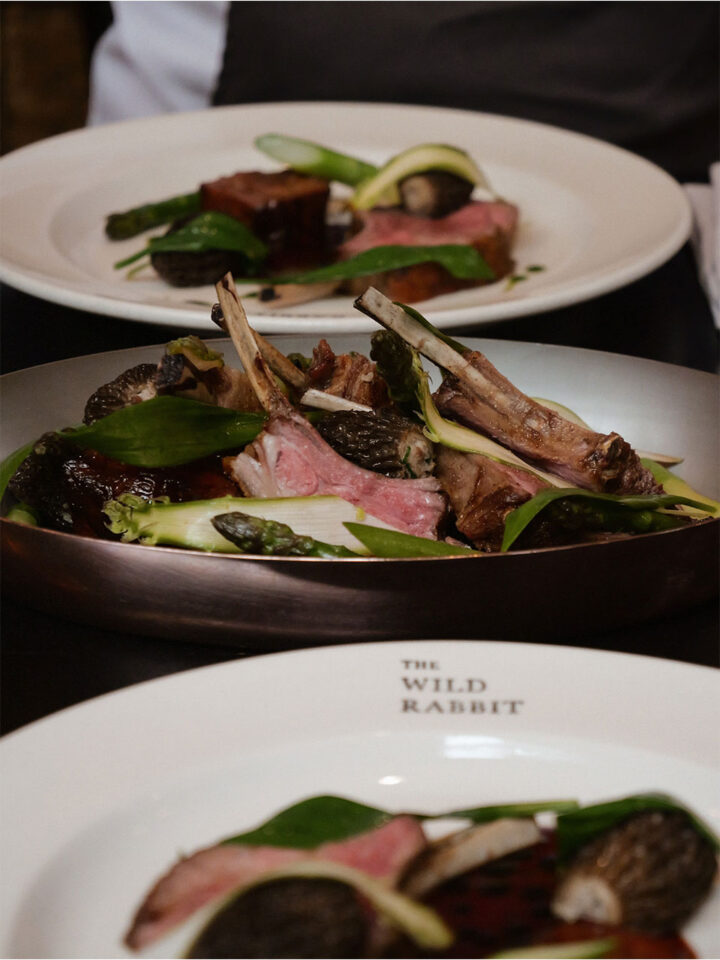
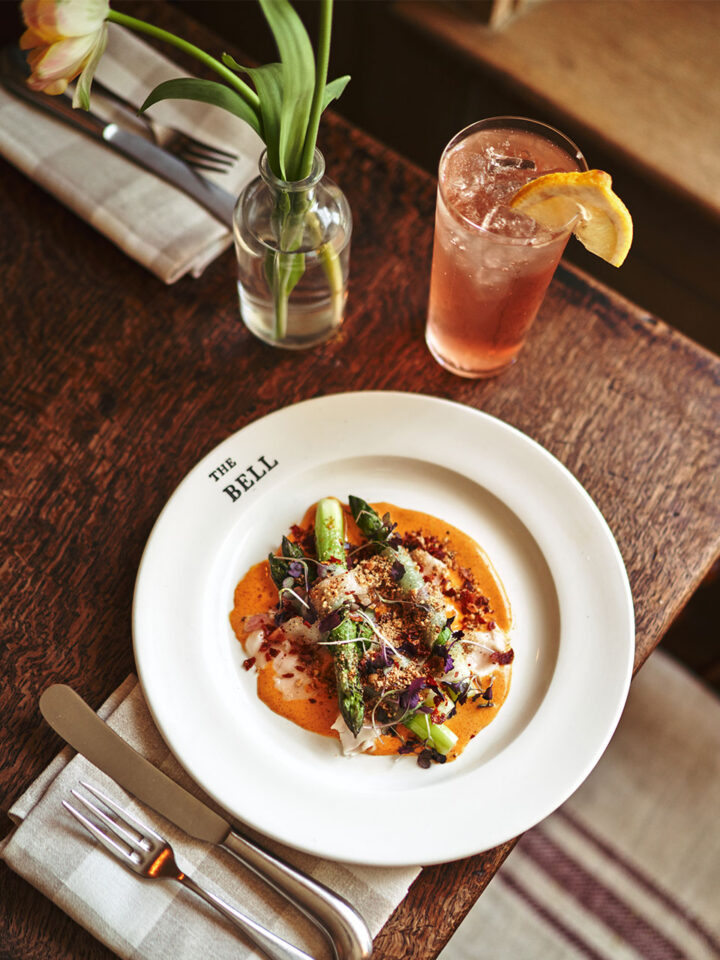
Just a short distance from Daylesford, Wykham Park is a fifth-generation family farm with a commitment to sustainable, traditional methods. “Our asparagus s planted by hand using an old onion set planter, picked by hand then washed, graded and bundled by hand – with zero technology!” says director Lizzie Colgrave. Their land – 80 acres of light clay loam – gives the crop its distinctive depth of flavour, enhanced by the minerals in the soil.
Asparagus requires space, careful stewardship and three years of quiet growth before a single spear can be harvested, which is why we choose not to grow it at Daylesford.
When I arrived at Daylesford’s market garden there was an asparagus bed, but it is hard to control the slugs, asparagus beetle and perennial weeds such as couch grass and creeping buttercup – and it only really makes sense if you are a specialist. We like to celebrate local food as well as what we can grow ourselves – so it is better for us to sell beautiful English asparagus from the nearby farms when it comes into season, than battle to grow some of our own. Jez Taylor, Head of the Market Garden, Daylesford.
Instead, we partner with growers who share our respect for the land. Wykham Park’s LEAF Accreditation is a testament to their natural, considered approach.
The British asparagus season is fleeting – traditionally running from St George’s Day on 23rd April to the Summer Solstice on 21st June. During these eight short weeks, green, white and purple varieties appear, each with its own character. Purple asparagus is best enjoyed raw for its sweet, nutty bite, while green asparagus shines when cooked simply to preserve its gentle, grassy flavour.
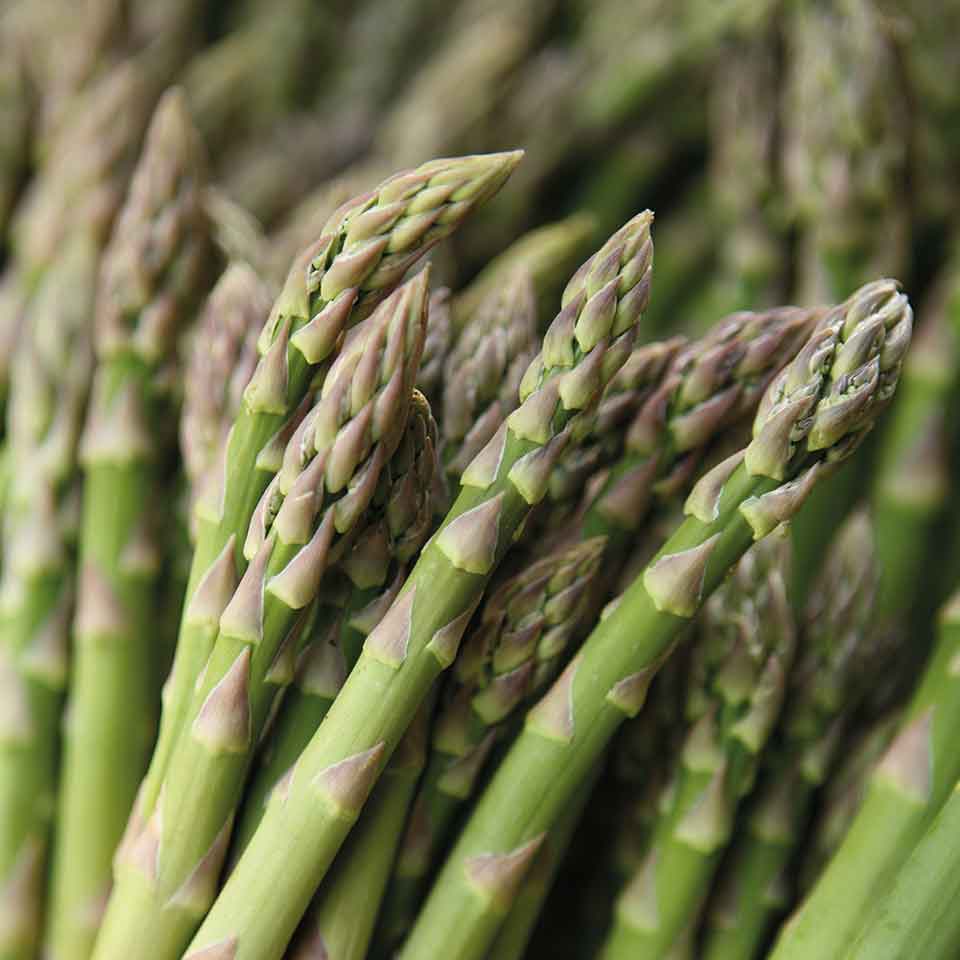
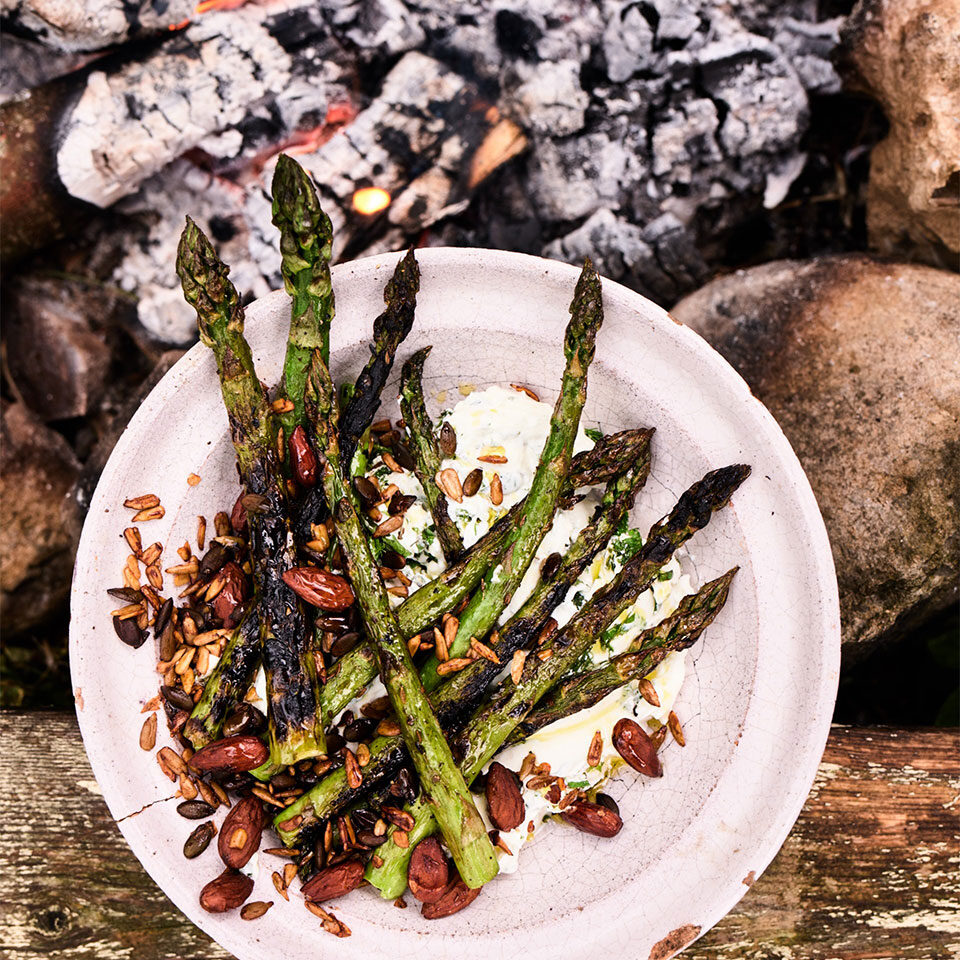
We tend to reserve smoky fires for cooking meat or perhaps fish – vegetables don’t get much of a look in. This is a real shame, because there are so many that work beautifully being cooked this way. Onions, beetroots, leeks and artichokes all respond fantastically to the charring heat of an open fire, but few can match fresh asparagus. Fire is one of the best ways to cook it. Gill Meller.
Serves 2
For the Yoghurt
First, make the yoghurt. Place the yoghurt in a bowl, add the salt and stir well. Set a sieve over a bowl and line it with a square of clean muslin or thin cotton cloth. Spoon the salted yoghurt into the centre of the cloth, then gather up the sides. Place in the fridge (still in the sieve and bowl) for 8 – 12 hours or overnight.
Turn out the thickened yoghurt into a large, clean serving bowl. Pick the smaller mint leaves from the stalks and set aside. Pick the larger leaves, discarding the stalks in the compost, and cut them into thin ribbons. Stir the ribbons through the yoghurt along with the olive oil and some black pepper. Set aside while you prepare the asparagus.
Place the almonds, sunflower and pumpkin seeds and half the cumin seeds in a pan with the tamari, chilli flakes and rosemary and set over a low heat. Cook, stirring regularly, for a few minutes until the nuts and seeds are dry, toasted and fragrant.
If you plan to cook your asparagus over an open fire, make sure the fire is nice and hot before you begin. Snap the woody base from each spear, then place the tender asparagus on a plate. Trickle with the olive oil and season with salt, pepper and the remaining cumin. Cook the asparagus over glowing embers for 2–3 minutes on each side, or as long as it takes to char the spears nicely. (Alternatively, you can cook the asparagus for a similar amount of time on a hot grill pan.)
Arrange the spears over the yoghurt, scatter over the toasted nuts and seeds and reserved mint leaves. Serve with an extra trickle of olive oil and, if you like, some fresh flatbreads.
To find out more about our friend Gill, and discover his delicious recipes click here. Image credit for dish recipe – Andrew Montgomery.
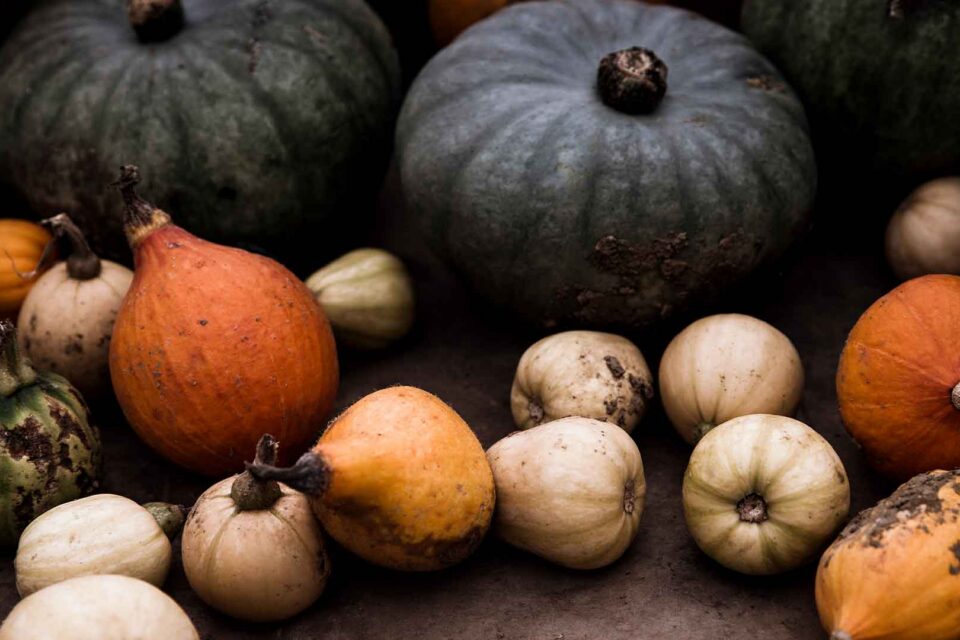
Autumn is a season of abundance. As summer crops give way to heartier harvests, the kitchen fills with ingredients that lend themselves to slower cooking and comforting meals. Among them, squash stands out as one of the season’s most versatile…...
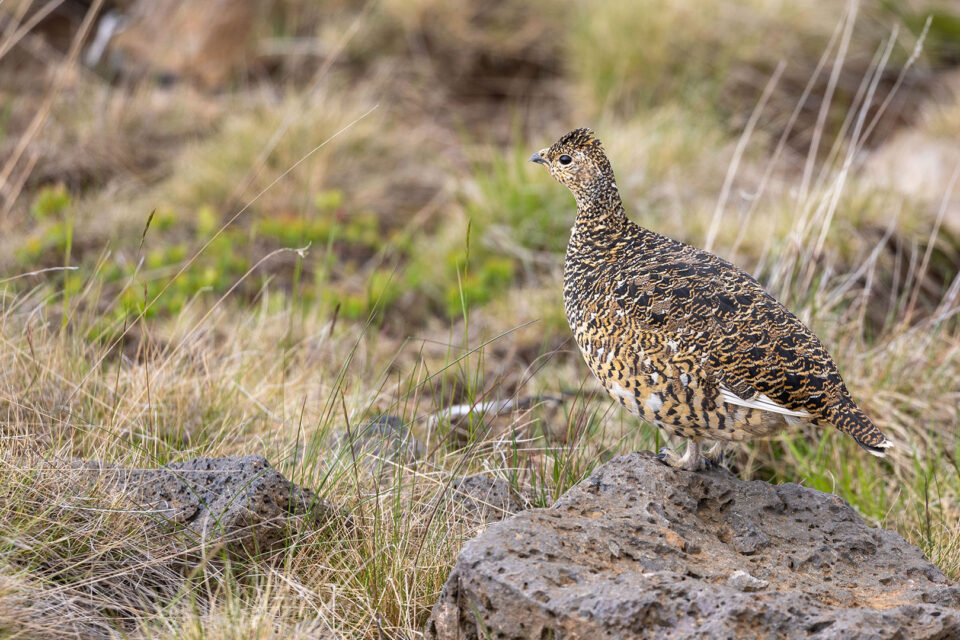
As the heather comes into bloom across Britain’s moorlands, the arrival of grouse season marks the beginning of one of the most anticipated periods in the shooting calendar. Running from August through to December, it celebrates one of the country’s…...